Latest update: Sygnature Discovery is pleased to announce the expansion of its LPS in vivo model platform by demonstrating the effectiveness of new drugs and the robustness of consecutive studies.

The new model allows customers increased scope to measure inflammatory cytokines in specific tissues linked to chronic inflammatory diseases and robust study consistency providing high-quality customer decision-making data. Learn more, below.

Demonstrating The Effectiveness Of New Drugs And
The Robustness Of Consecutive Studies

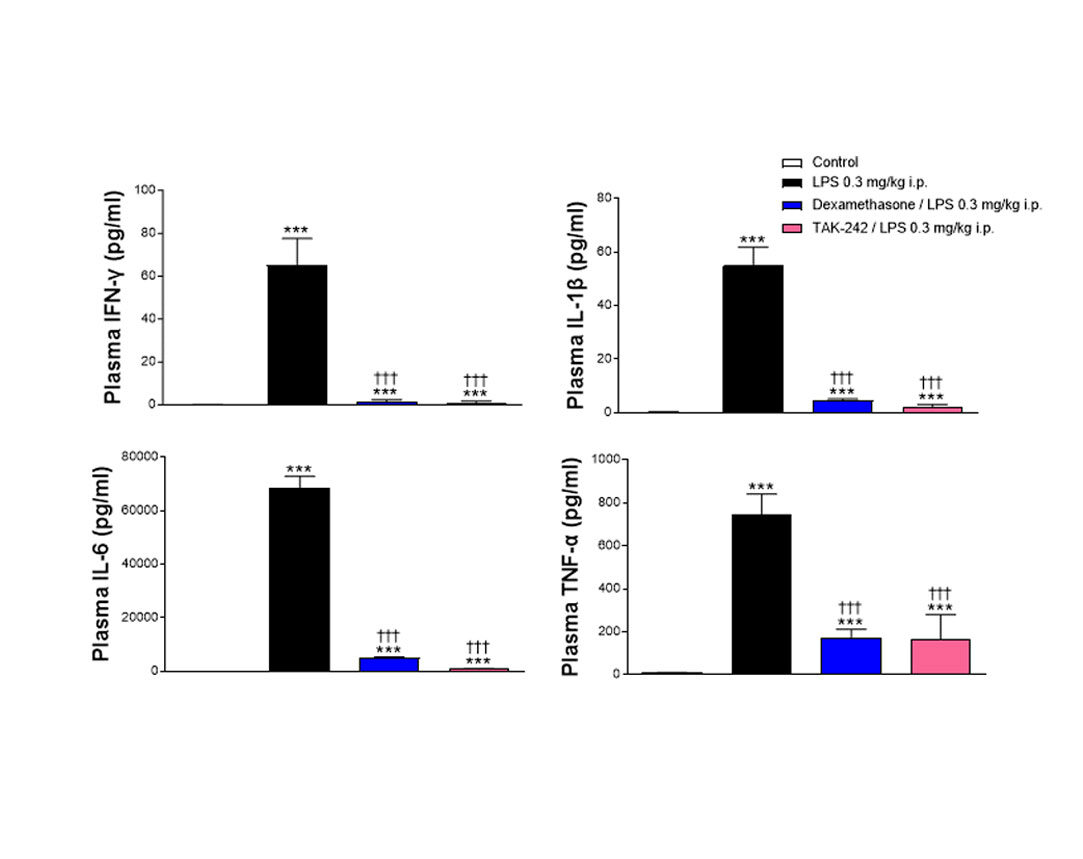
LPS-graph-1
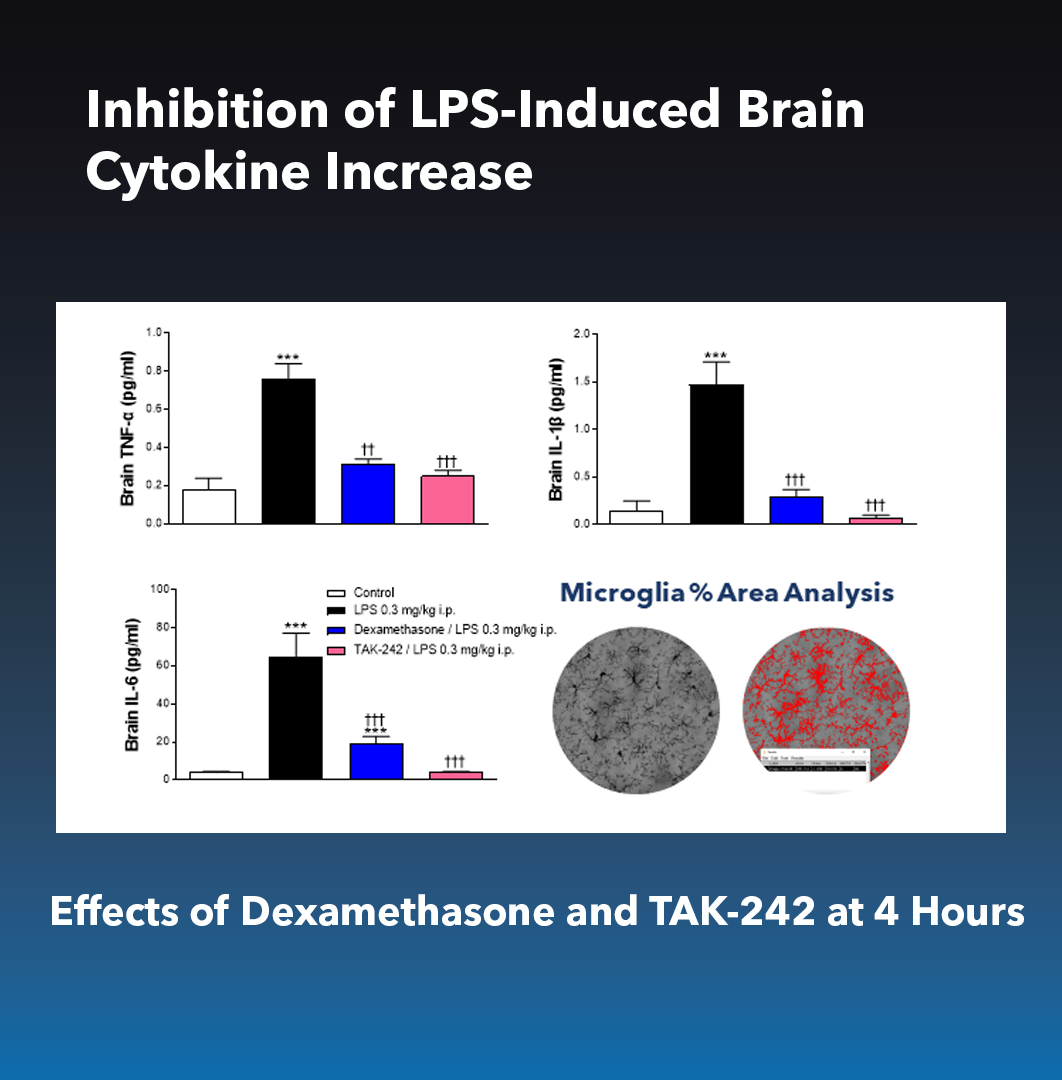
Inhibition of cytokine production in the in vivo LPS model by new anti-inflammatory drugs (e.g., the TLR4 antagonist TAK-242)
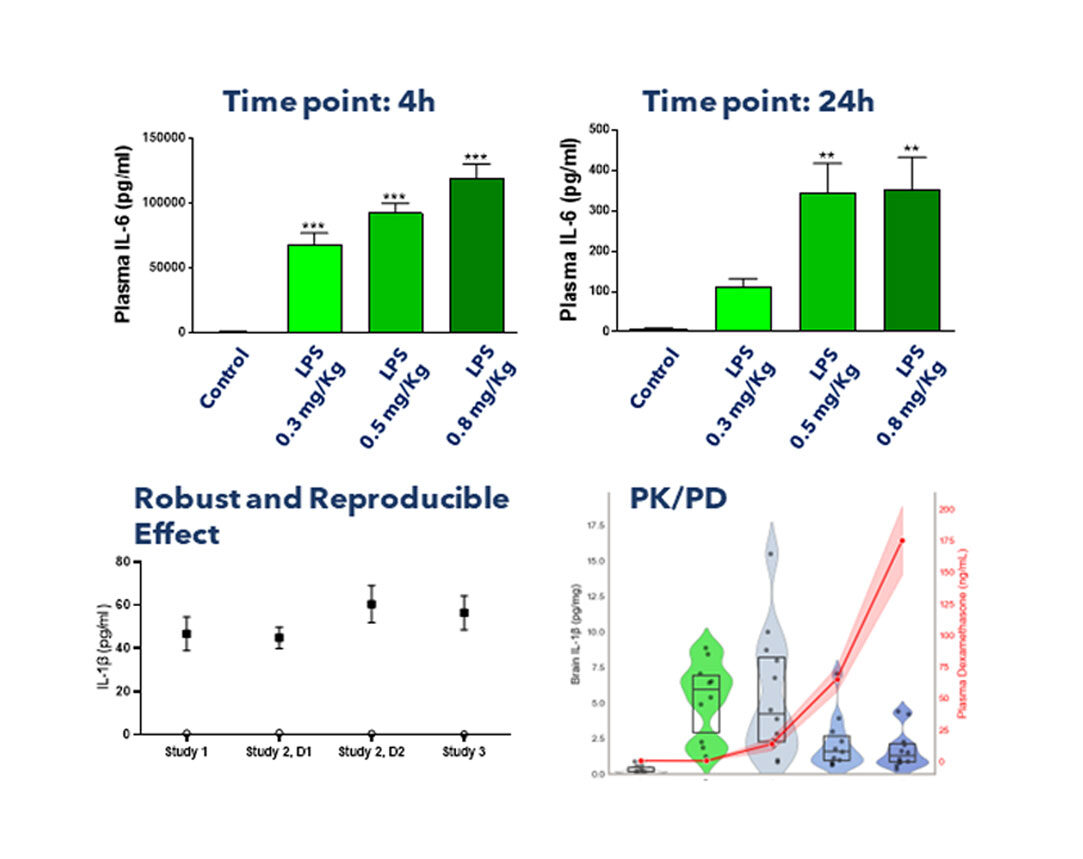
LPS-graph-2
LPS Study Performance data demonstrating reproducibility of LPS-driven cytokine increase in LPS model.

LPS Rodent Model For Anti-Inflammatory Drug Discovery

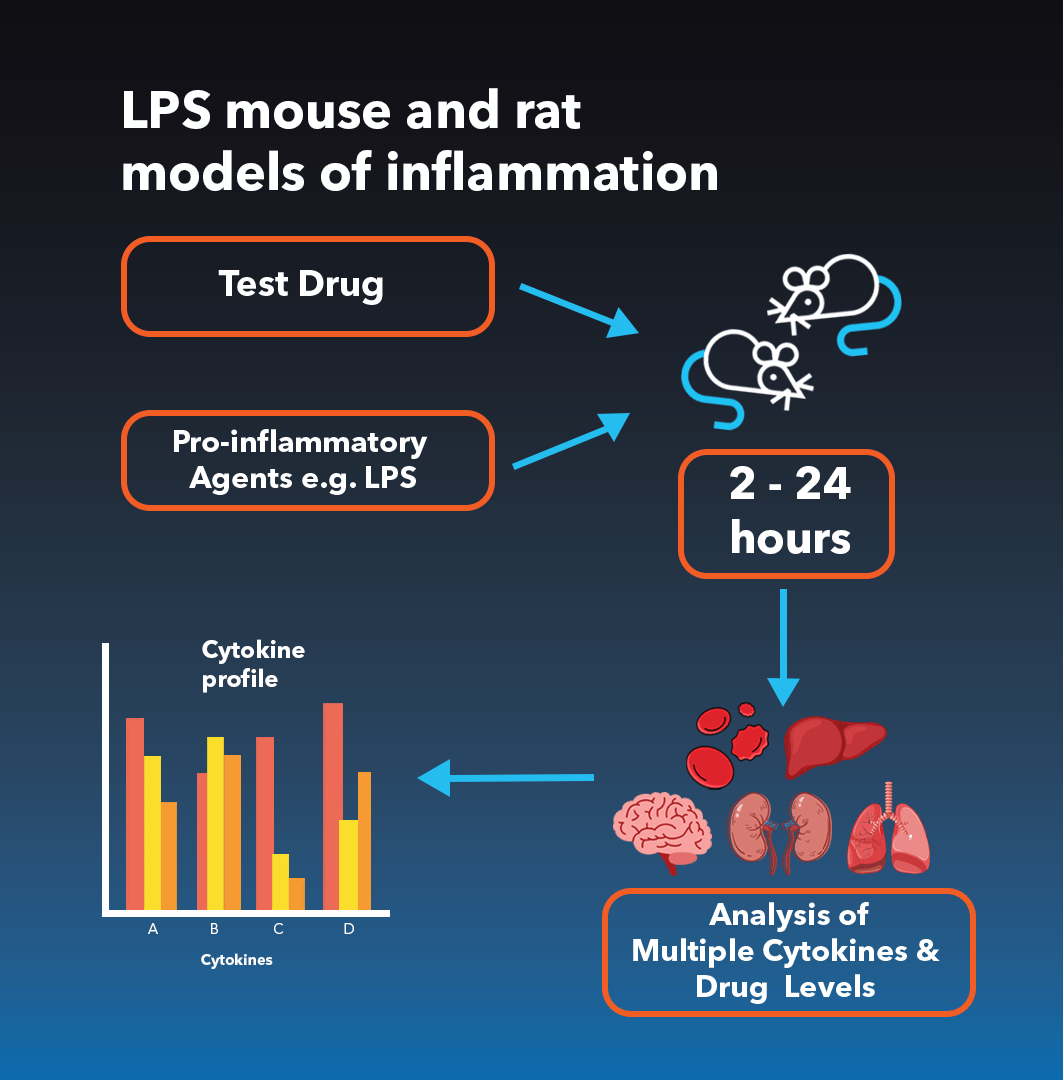
Sygnature Discovery has established LPS rat and mouse models of acute inflammation to test novel anti-inflammatory therapeutics. At an agreed time, a post-LPS, sample (e.g. blood, brain, or tissue of choice) is collected and tested for various pro-inflammatory cytokines (IL-1β, TNFα, IFNγ, IL-17 and IL-6). Customer studies compare their test compound-treated animal groups against untreated controls with pharmacokinetics in parallel. 

Discover the advantages of our LPS Model:

  • Robust and Reproducible
  • Validated with Established Anti-Inflammatory Drugs
  • Simultaneous PD and PK Analysis
  • Rapid Results Study Time <2 Weeks
  • Flexibility to Accommodate Different Stimuli, Administration Routes, Tissues, and Biomarkers 
  • Expertise in Immune Cell Assays to Support our Model
Click through the slides below to learn more about our LPS mouse and rat models:
LPS-Mouse-&-Rat-Models-of-Inflammation
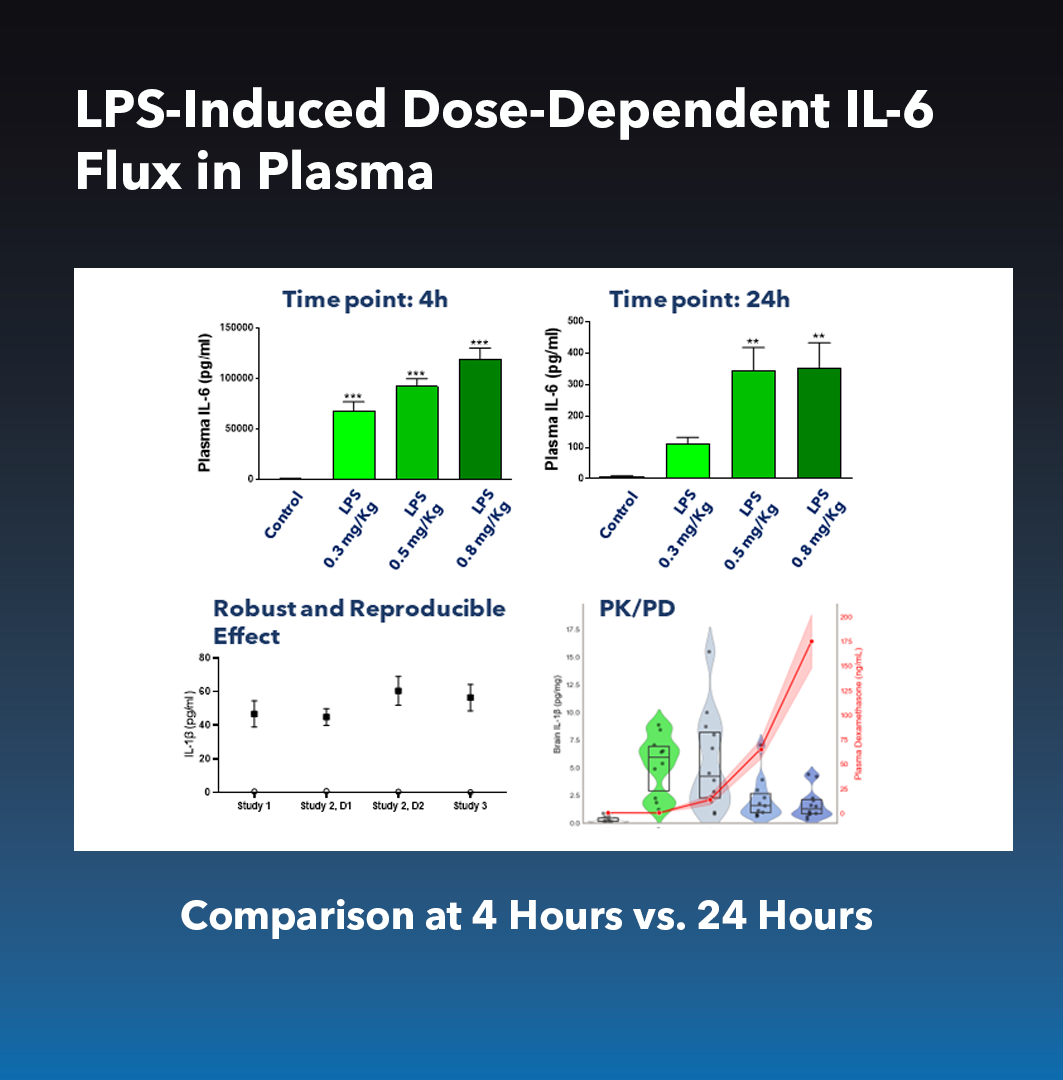
LPS-Induced-Dose-Dependent-IL-6-Flux-In-Plasma
Reduction-of-LPS-Induced-Cytokine-Flux-by-Dexamethasone-and-TAK-242
Inhibition-of-LPS-Induced-Brain-Cytokine-Increase
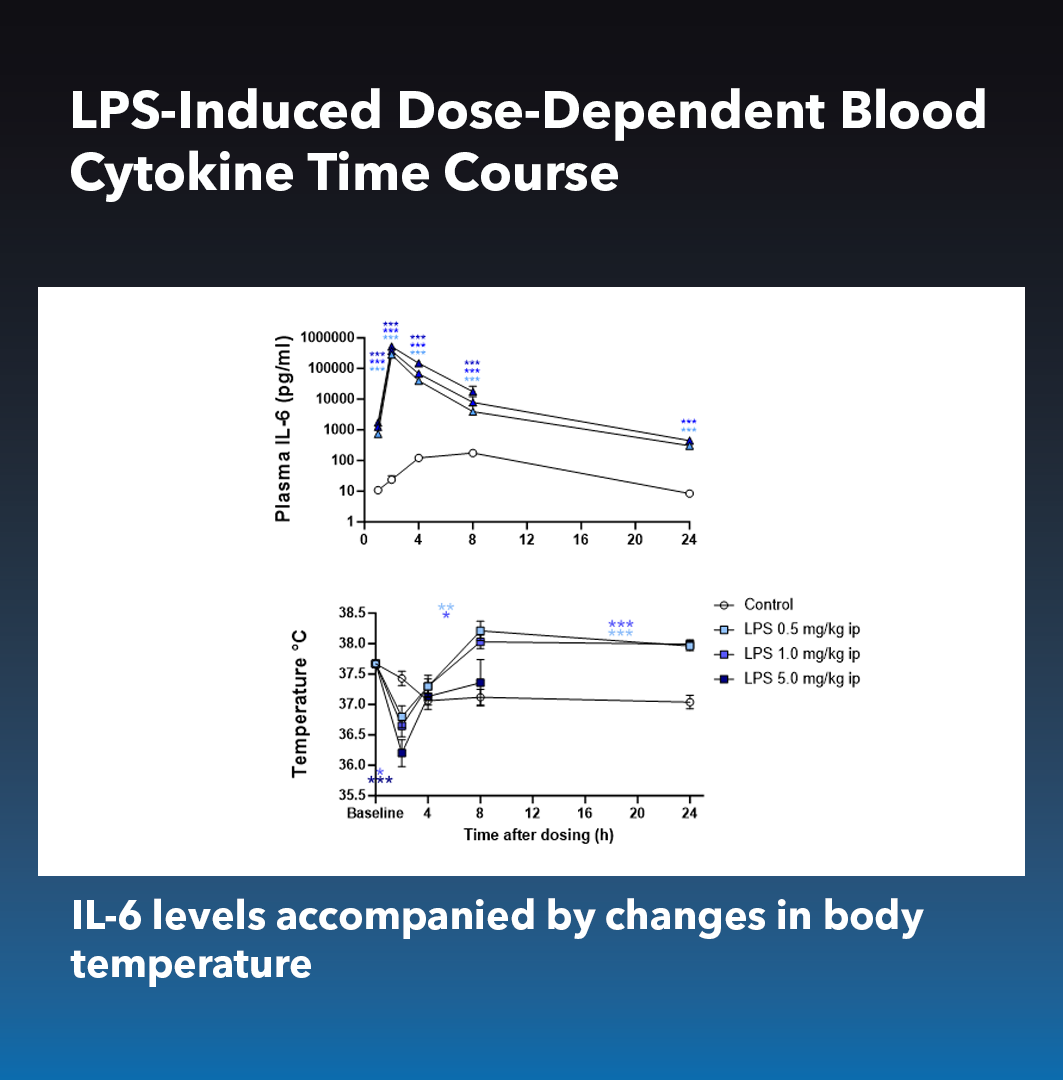
LPS-Induced-Dose-Dependent-Blood-Cytokine-Time-Course
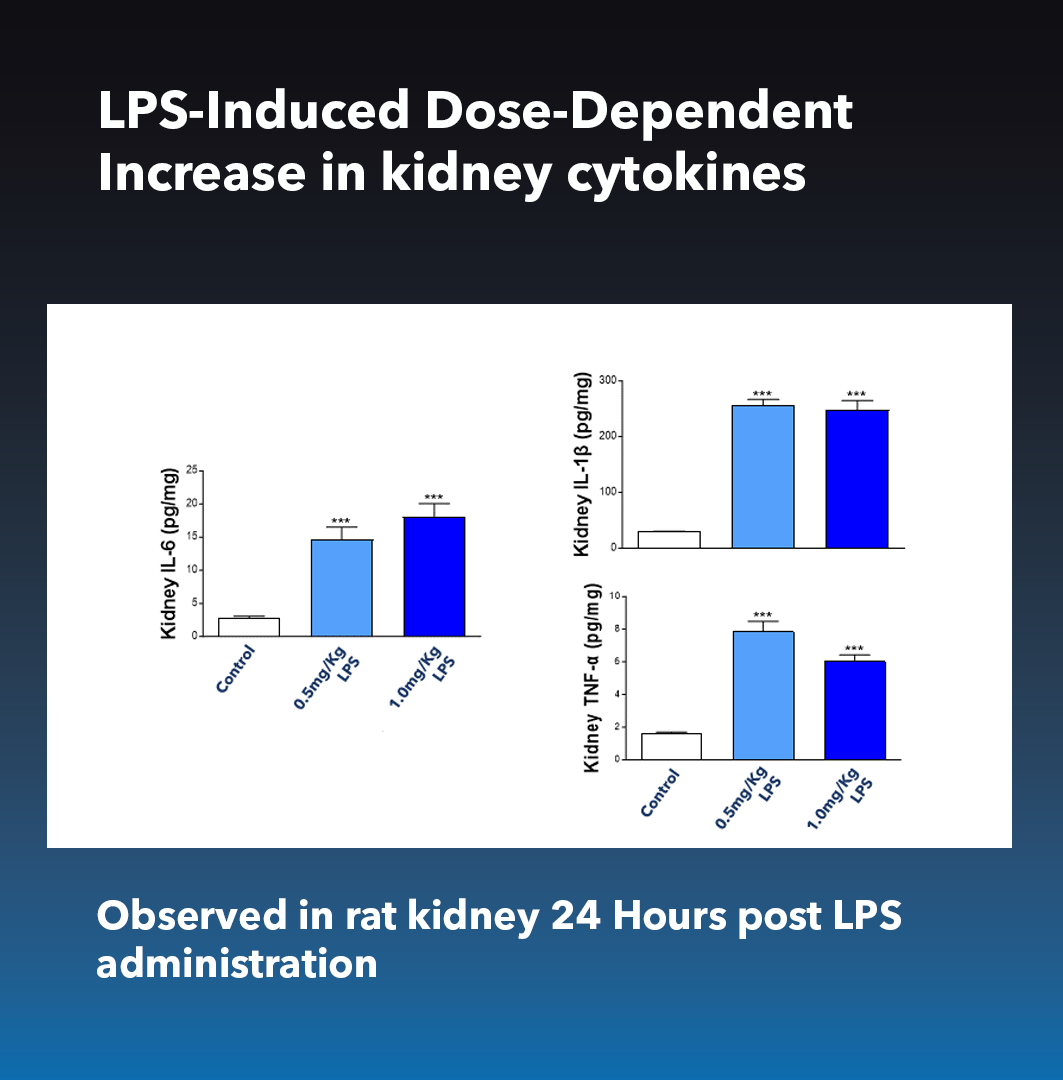
LPS-Induced-Dose-Dependent-Increase-In-Kidney-cytokines
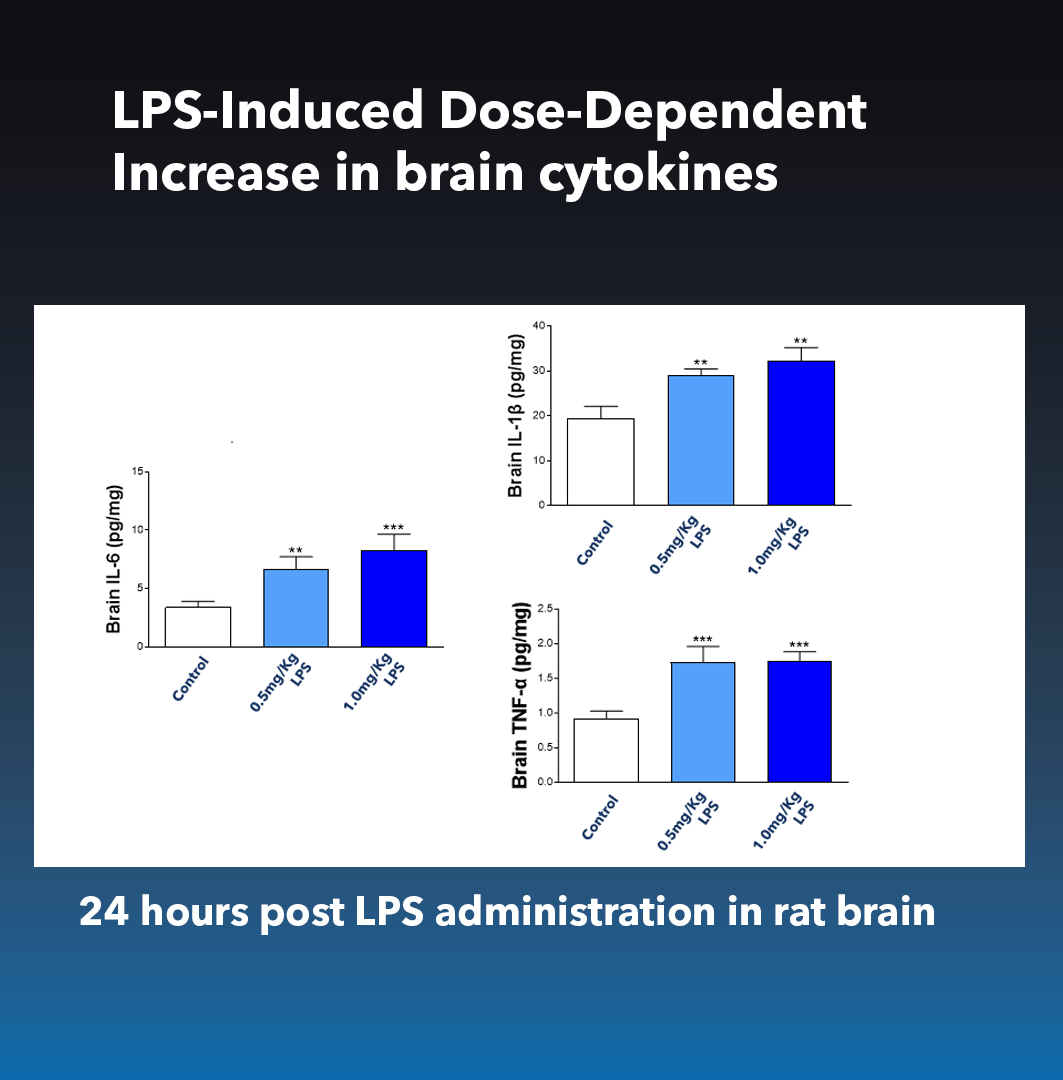
LPS-Induced-Dose-Dependent-Increase-In-Brain-Cytokines

Exploring Inflammatory Processes Across Organ Systems


  • Systemic inflammation
    Understand the pharmacology and processes that underpin systemic inflammation, which is critical to strengthen drug target validation and translation from in vitro to in vivo

    This LPS model of inflammation measures key pro-inflammatory cytokines in blood and provides a useful model system to quickly evaluate the efficacy of a novel anti-inflammatory drug in vivo in early drug discovery. 
  • Neuroinflammation
    Understand the mechanisms of neuroinflammatory conditions like Alzheimer's disease, Parkinson's disease, multiple sclerosis, and traumatic brain injury.

    This LPS model of inflammation helps to identify new drug targets and reveals interactions between the immune system and the central nervous system.

  • Kidney inflammation
    Understand the mechanisms underlying kidney diseases like acute and chronic kidney injury. Identify new drug targets and evaluate drug effectiveness in suppressing kidney inflammation by measuring cytokine levels and other biomarkers.

    This LPS model of inflammation provides insights into the immune system's interactions with kidneys, enhancing the understanding of kidney disease pathophysiology.

  • Other organs inflammation
    Understand how tissue-specific factors influence inflammation, including immune cell activation, inflammatory mediator release, and immune cell recruitment to sites like the liver, lung, colon, or peritoneum.

    The LPS model is a valuable tool for studying immune regulation and identifying targets for immunomodulatory therapies.

Why Sygnature Discovery For LPS Models?

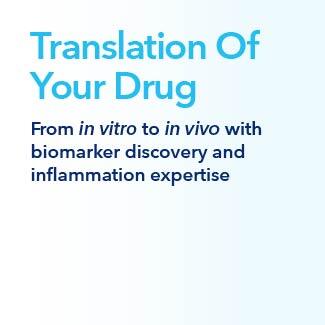
Features and benefits graphics_LPS models_translation
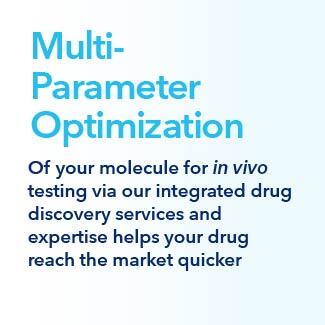
Features and benefits graphics_LPS models_multiparameter optimization
Features and benefits graphics_LPS models_fusion point
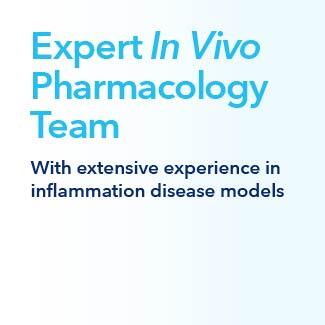
Features and benefits graphics_LPS models_expert team

A Track Record Of Success In Anti-Inflammatory Drugs

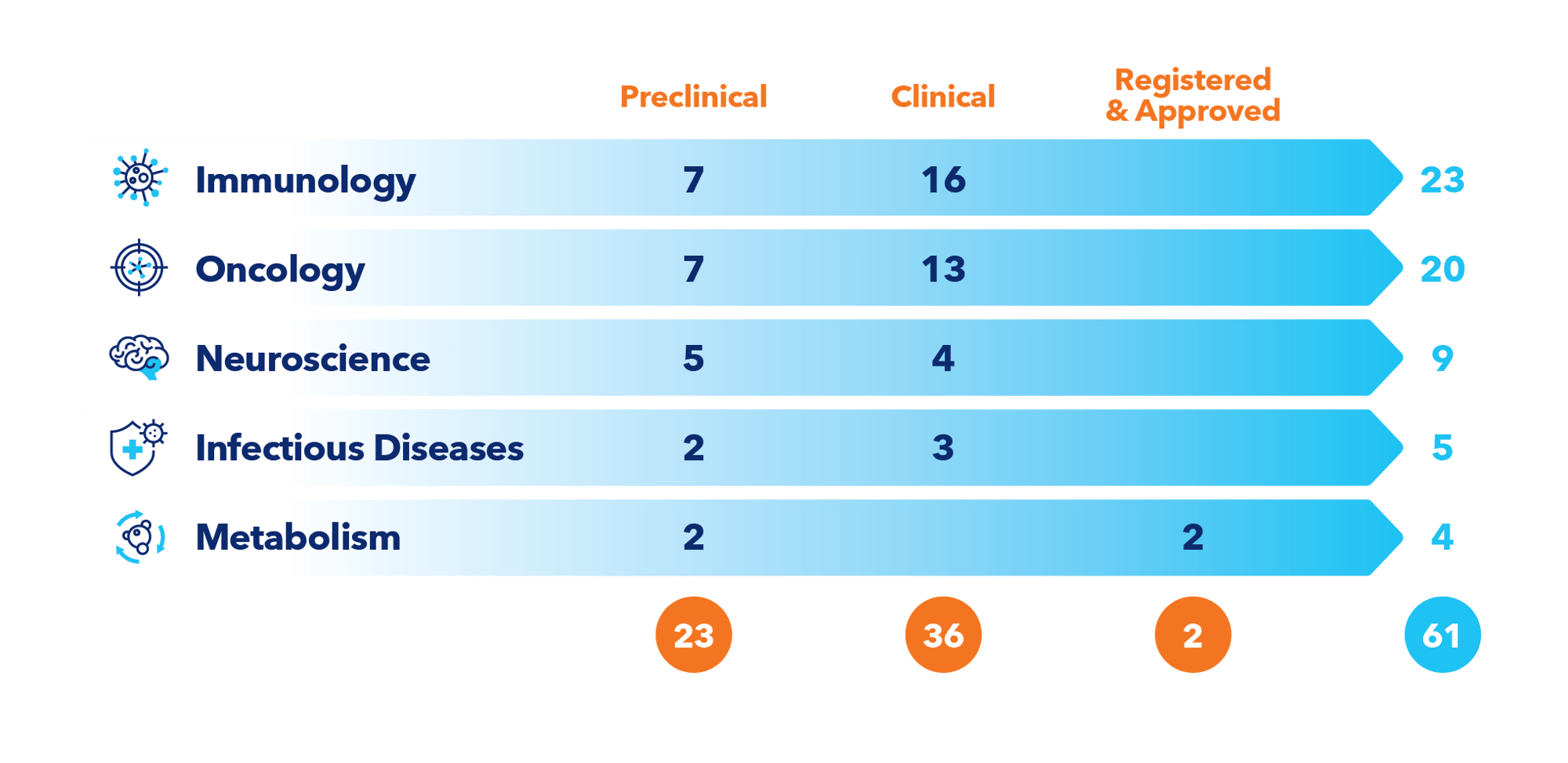
Sygnature Discovery has a strong track record for delivering anti-inflammatory compounds to the clinic. These target a broad range of auto-immune and chronic inflammatory diseases with different routes of drug delivery - for example, inhaled drugs to treat asthma and COPD, and oral drugs to treat inflammatory bowel disease and psoriasis.

Light_no background@4x
Sygnature-Circle